

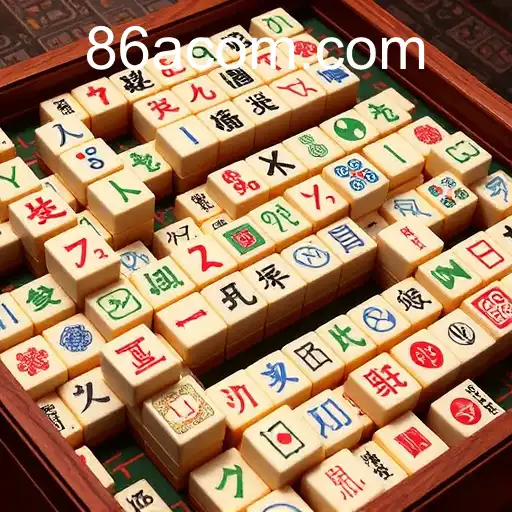
Mahjong: A Rich Cultural Legacy
Mahjong is not just a game; it is a cultural phenomenon that stretches across continents and generations. Originating in China during the Qing Dynasty, Mahjong has captured the hearts and minds of millions, evolving into a beloved pastime that offers both social engagement and intellectual challenge. This article delves into the intricate world of Mahjong, examining its history, strategic depth, and the recent surge in digital versions, notably linked to platforms such as 86A.COM.
The Historical Roots of Mahjong
Mahjong’s origins are somewhat shrouded in mystery, with theories ranging from its development as a card game derivative to a uniquely crafted set of tiles in the 19th century. Initially popularized in coastal cities like Shanghai, it quickly spread throughout China, becoming a staple of social gatherings and holiday games.
The game’s appeal skyrocketed in the early 20th century when British and American merchants began to introduce Mahjong to Western audiences. This led to a wave of publications and rule variations, most notably the American Mahjong variant, which adapted the game to include card-based components and a diverse set of winning combinations.
The Strategic Depth of Mahjong
Mahjong is often likened to games such as chess, due to its deep strategic elements. Despite its reliance on the luck of the draw, advanced Mahjong requires keen observation, memory, and tactical acumen. Players must balance their strategy between building a winning hand and tactically discarding tiles to prevent opponents from completing their own.
The game consists of four Wind tiles, three Dragon tiles, and a series of suits including Bamboos, Dots, and Characters, each carrying its strategic implications. Understanding the intricate subtleties of these tiles and their potential combinations can determine a match's outcome, compelling players to invest time in perfecting their skills.
Modern Adaptations and the Digital Influence
With the advent of the internet, Mahjong has transcended traditional brick-and-mortar settings, finding a robust platform in online arenas. Websites like 86A.COM have capitalized on this digital shift by offering a variety of Mahjong games that cater to players at different skill levels. From classic styles to more modern interpretations, these platforms provide an accessible way for enthusiasts to engage with the game anytime, anywhere.
Such digital adaptations also enable social interaction, as players can connect with a global community sharing tips, tactics, and even competing in international tournaments. This connectivity fosters a renewed interest in Mahjong, making it more than just a game, but a cross-cultural form of entertainment and engagement.
The Sociocultural Impact of Mahjong
Mahjong holds a unique place in many cultures, often seen as a bridge that connects generations. In China, families gather over Mahjong tables during holidays and special occasions, creating a shared experience that reinforces familial bonds. Similarly, in Western contexts, Mahjong clubs serve as both social hubs and competitive arenas where players from diverse backgrounds come together.
This fusion of culture and strategy underscores Mahjong’s versatility. It is a game for both the casual player seeking leisure and the strategist aiming for mastery, equally suited for a calm afternoon or a serious competitive setting.
The Future of Mahjong
As technology continues to evolve, so too does the landscape of traditional games like Mahjong. Platforms such as 86A.COM play a critical role in this evolution, ensuring that Mahjong remains accessible to new generations while honoring the game’s rich cultural heritage.
Developers are exploring augmented reality and virtual reality experiences that promise to further revolutionize the way Mahjong is played, offering immersive experiences that replicate the tactile feel of physical tiles with innovative digital twists.
Ultimately, Mahjong’s enduring appeal can be attributed to its unique blend of luck, skill, and social interaction. It is this combination that allows the game to thrive, ensuring that from traditional table gatherings to advanced online platforms, Mahjong will remain a cultural staple and a strategic pursuit for years to come.